- West Nile activity in NJ peaks late August through September, not midsummer
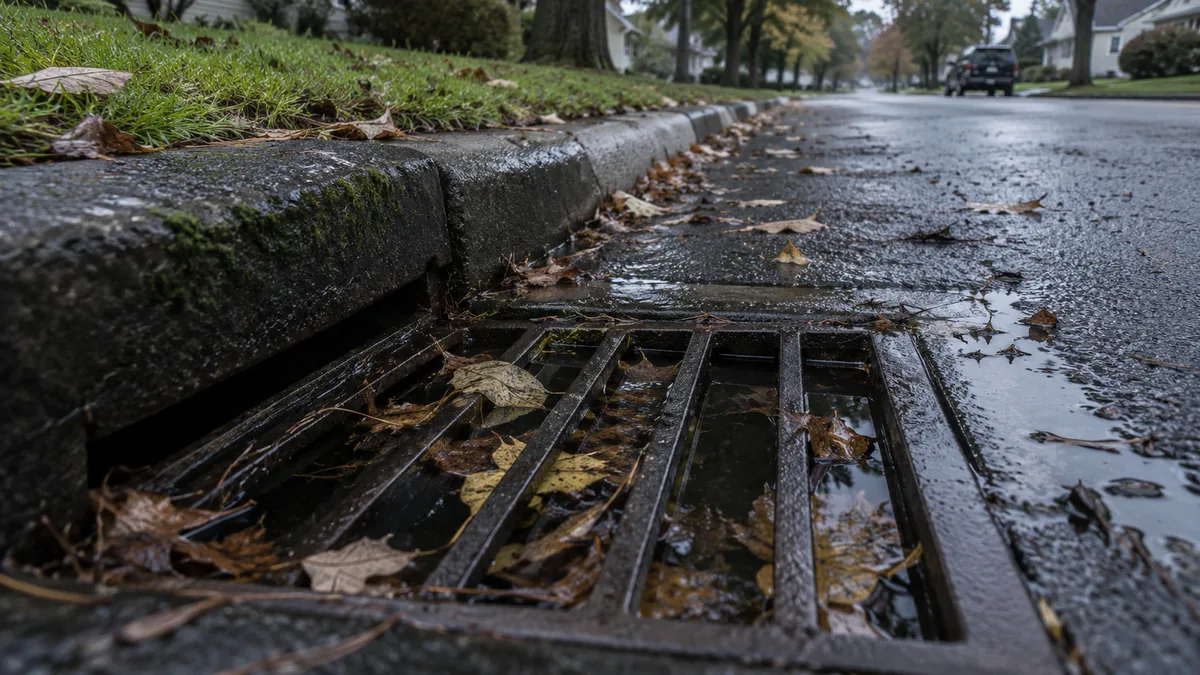
- The vector is the Culex house mosquito, which breeds in stagnant, organic-rich water like catch basins and clogged gutters, not clean rainwater
- Culex feeds at dusk and after dark, so evening exposure matters more than daytime yard time
- Most infections cause no symptoms, but risk of serious illness climbs sharply after age 60
- September is the wrong month to cancel treatments
Why the Risk Curve Peaks Late
West Nile virus doesn't arrive with the first warm weekend. It builds. The virus cycles between birds and mosquitoes all summer, and each round of transmission raises the share of mosquitoes carrying it. By mid-August, after a full season of amplification, the infection rate in local mosquito populations is at its highest point of the year. That's why New Jersey's positive mosquito pools and its human cases both cluster in late August and September rather than June.
The counterintuitive part is that mosquito numbers often drop in September while mosquito risk goes up. Fewer bites, but a higher chance any given bite matters.
It's Not the Mosquito You're Thinking Of
The mosquito that ruins your afternoon barbecue is usually the Asian tiger mosquito, an aggressive daytime biter that breeds in clean standing water. It's a nuisance, and we treat for it, but it's not the main West Nile concern.
The primary West Nile vector in New Jersey is Culex pipiens, the northern house mosquito. It behaves differently in three ways that matter:
- It breeds in foul water, not fresh. Storm drains and catch basins, clogged gutters packed with rotting leaves, unused pools, neglected birdbaths, stagnant buckets with organic sludge. The dirtier and more stagnant, the better it likes it.
- It feeds at dusk and after dark. Evening on the patio, walking the dog at nine, sitting by a fire pit. Daytime yard work is not the exposure window.
- It feeds on birds first, then shifts. Late in the season, as its preferred bird hosts thin out, Culex bites mammals more readily. That shift is part of why human cases spike in the same weeks.
Hot, Dry Summers Make It Worse
This is the part that surprises homeowners. A dry stretch doesn't wipe out Culex, it concentrates them. When rain stops flushing storm drains and catch basins, the water sitting in them turns into exactly the nutrient-rich soup Culex larvae thrive in. A hot dry August frequently produces a stronger September Culex population than a rainy one would.
What the Actual Risk Looks Like
Perspective matters here, so let's be straight about it. Roughly four out of five people infected with West Nile never develop symptoms at all. About one in five develop fever, headache, body aches, sometimes a rash and fatigue that can linger for weeks. Serious neuroinvasive illness, meaning encephalitis or meningitis, occurs in well under one percent of infections.
The critical variable is age. Risk of severe illness climbs steeply after 60, and climbs further for people who are immunocompromised or managing chronic conditions. If that describes you or a parent living with you, September evening exposure is worth taking seriously. For a healthy 35-year-old, the honest framing is that this is a low-probability risk worth reasonable precautions, not a reason for alarm.
What Actually Reduces Exposure
Ranked roughly by how much difference each one makes:
- Clean your gutters before fall. A gutter packed with decomposing leaves and holding water is a purpose-built Culex nursery attached to your house. This is the single most overlooked breeding site on most NJ properties.
- Walk the property for stagnant water weekly. Tarps, wheelbarrows, kids' toys, planter saucers, a forgotten bucket behind the shed, corrugated drain pipe with a low spot. Culex needs very little water and doesn't need it clean.
- Deal with an unused pool or hot tub. An untreated pool can produce mosquitoes by the thousand. If it's sitting green, that's the priority over everything else on this list.
- Use repellent at dusk, not noon. EPA-registered repellent during evening hours targets the actual exposure window.
- Keep your treatments running through September. Barrier treatment to resting sites plus larvicide on standing water you can't eliminate is doing its most valuable work in exactly these weeks.
The Short Version
September is the wrong month to declare mosquito season over. The bites may be fewer, but the mosquitoes carrying something are at their seasonal peak, they're breeding in the stagnant water nobody checks, and they're biting after dark. Clear your gutters, dump the standing water, and don't cancel your last treatments of the year. Questions about your property? Call (732) 272-1929 and Anthony will walk through it with you.