- NJ tick season now runs late March through November, nymphs in late spring carry the biggest disease risk
- Blacklegged (deer) ticks, lone star ticks, and American dog ticks drive most local risk
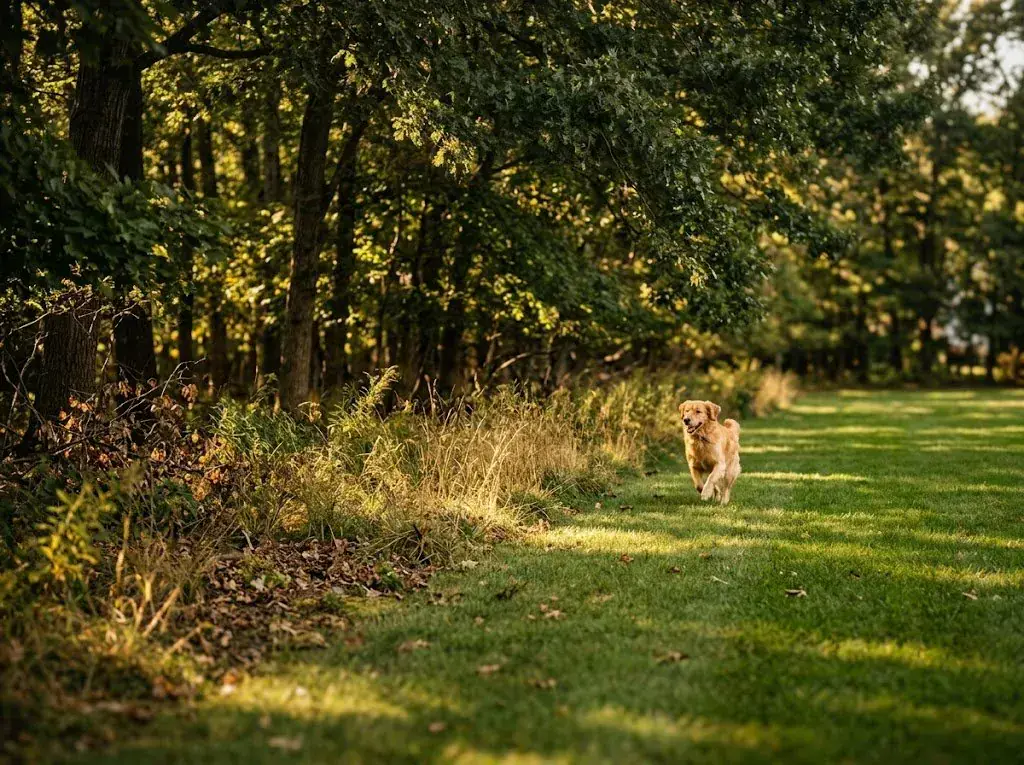
- Wooded edges, leaf litter, and tall grass are tick habitat, open sunny lawn mostly isn't
- Layered defense works best: property treatment, habitat cleanup, and tick checks after outdoor time
The Ticks That Actually Matter in NJ
Three tick species drive most of the disease risk in our area:
Blacklegged Tick (Deer Tick), Ixodes scapularis
The headline tick. Smaller than the others (adults the size of a sesame seed, nymphs the size of a poppy seed), which makes them harder to spot. They're the primary carrier of:
- Lyme disease, caused by Borrelia burgdorferi
- Anaplasmosis
- Babesiosis
- Powassan virus (rare but serious)
Active spring through late fall, with peak activity in May-July (nymph stage, most likely to transmit Lyme because their small size means they often go undetected) and again in October-November (adult stage).
American Dog Tick, Dermacentor variabilis
Larger and easier to spot. The primary carrier of Rocky Mountain spotted fever in our area, though that disease is much rarer here than in the mid-Atlantic and southern states. Active April through September.
Lone Star Tick, Amblyomma americanum
Twenty years ago these were rare in NJ. Now they're established and expanding northward. Adults have a distinctive white spot on the female's back. They carry several diseases, plus they're the primary cause of alpha-gal syndrome, a real and increasing problem in the mid-Atlantic where a single tick bite can leave you allergic to red meat for years. Active April through October.
The Lifecycle Most Homeowners Don't Understand
Ticks have a 2-year life cycle with three blood meals along the way, and each meal is on a different host. The basic flow:
- Larvae hatch in summer, feed on a small mammal (often a white-footed mouse), drop off, molt
- Nymphs emerge the next spring, feed on a slightly larger animal (or a human), drop off, molt
- Adults emerge in fall, feed on a large mammal (deer, dogs, humans), mate, lay eggs
This is why deer matter so much in tick management, the adult ticks need them to complete the cycle. Properties with regular deer traffic are tick magnets, and no amount of yard treatment fully solves the problem if the deer keep coming back.
The mouse-tick connection
The larval stage typically feeds on white-footed mice, which carry the Borrelia bacteria that causes Lyme. The infected larvae become infected nymphs the next spring, and those infected nymphs are the ones most likely to bite humans. Reducing mouse activity around your home directly reduces your Lyme risk in subsequent seasons.
What "Tick Pressure" Looks Like by Property Type
High pressure
If your property has any of these, expect tick pressure:
- Wooded edges or backs up to woods
- Deer regularly cross or feed on the property
- Stone walls, woodpiles, or leaf litter
- Tall grass or unmaintained brush
- Adjacent to a horse farm or large undeveloped land
Medium pressure
- Suburban neighborhood with mature trees
- Birds and squirrels regularly visit (they carry ticks too)
- Mulch beds and dense landscaping near the house
- Pets that go in/out frequently
Low pressure
- Open lawn with minimal vegetation
- Far from woods, no wildlife corridor
- Tightly maintained landscaping
Most properties in our service area land in medium to high pressure category. NJ's geography, woodlands intermixed with suburbs, is essentially ideal tick habitat.
The Layered Defense Approach
Effective tick management isn't a single intervention. It's overlapping defenses that each reduce risk a different way:
Property treatment
Professional barrier treatment around the perimeter where the lawn meets woods or unmaintained area. This is where ticks travel from wildlife habitat into your living space. We treat:
- The 10-15 foot transition zone where lawn meets wooded area
- Stone walls and brush piles
- The base of mature trees and around landscape features
- Pet sleeping areas if outdoor
Landscape modification
Tick habitat reduction is permanent and free, mostly:
- Keep grass cut to 3 inches or less
- Maintain a clear 3-foot mulch barrier between lawn and woods
- Remove leaf litter, especially in spring
- Stack woodpiles in dry sun, away from house
- Consider deer-resistant landscaping if deer are a regular issue
Personal protection
Even with property treatment, when you're in tick habitat:
- Long pants tucked into socks when in tall grass or woods
- Permethrin-treated clothing for hiking/yard work
- EPA-registered repellents on skin (DEET 20-30%, Picaridin 20%)
- Tick check within 2 hours of coming inside
- Shower within 2 hours, research shows this reduces transmission risk
Pet protection
Pets are a direct vector into your home. Year-round veterinarian-prescribed tick prevention is the single best move. Outdoor cats are especially difficult, most tick prevention products for cats are limited compared to dogs.
What to Do If You Find a Tick
Standard removal protocol:
- Use fine-tipped tweezers as close to the skin as possible
- Pull straight up with steady pressure, don't twist, don't yank
- Clean the bite area with rubbing alcohol
- Save the tick in a sealed bag (your doctor may want to identify it)
- Note the date and location of the bite
Watch for the next 30 days for:
- Bullseye-shaped rash (classic Lyme but only appears in 70-80% of cases)
- Flu-like symptoms (fever, fatigue, body aches)
- Joint pain
- Facial droop or other neurological symptoms
If any of these appear, especially in combination with a known tick bite, contact your doctor. Lyme is highly treatable in early stages and harder to treat the longer it goes undiagnosed.
The Deer Question
People ask whether killing the deer eliminates the ticks. The honest answer is "no, but it helps." Adult ticks need deer to reproduce, but the rest of the lifecycle uses smaller mammals. A property surrounded by deer-friendly habitat will see new adult ticks every year regardless of any single property's deer activity.
The realistic deer angle is: don't feed deer, and consider deer-resistant landscaping. Properties that actively attract deer (apple trees, hostas, certain shrubs, salt licks) have measurably more ticks. Reducing the attraction reduces the carry-in.
How We Approach Tick Treatments
For most Monmouth County properties, our recommended program:
- Spring treatment (April-May): Targets the spring nymph emergence, the most disease-relevant tick stage
- Mid-summer follow-up (July): Knocks down the active adult population
- Fall treatment (September-October): Targets adult ticks before they overwinter and lay eggs for next year
That 3-treatment-per-year schedule is more cost-effective than monthly treatments and lines up with the actual tick lifecycle. Combined with landscape management and personal protection, it dramatically reduces tick encounters.
Anthony walks every property himself before we quote. Free estimates anywhere in Monmouth County and surrounding areas. Call (732) 272-1929.